 Charlotte
Root Canal Center
Patient education
The Nerve Inside Your Tooth, and Why It Matters
A tooth looks like solid material. Inside it is living tissue with its own blood supply, and almost everything that goes wrong starts there.
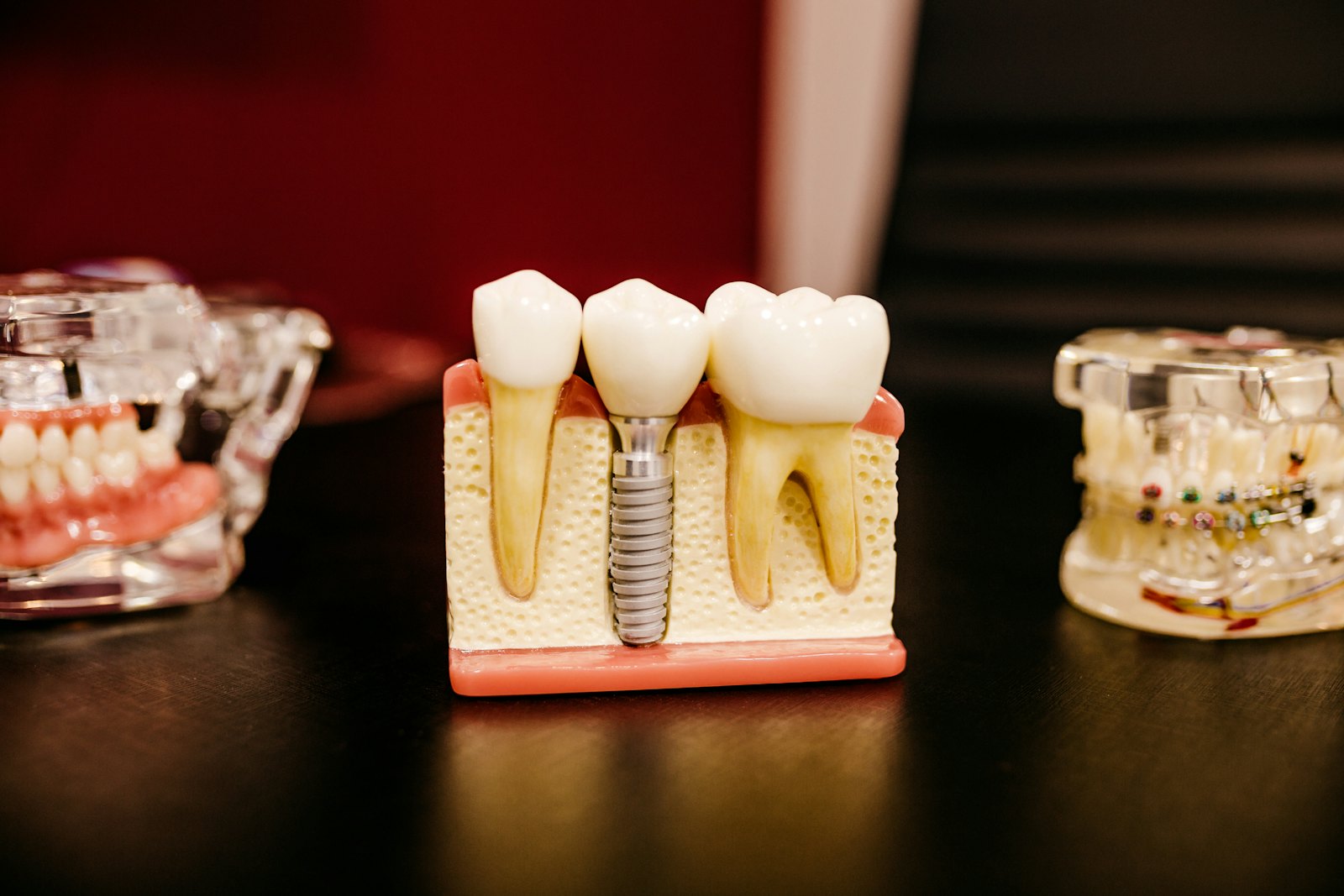
Teeth are easy to think of as bone, or as something closer to stone — hard, inert, more like fingernails than organs. They are not. Under the enamel and the layer of dentine beneath it, each tooth has a hollow chamber running down through every root, and inside that chamber is living tissue: nerves, blood vessels, connective tissue and cells that built the tooth in the first place.
This tissue is called the pulp, and understanding it explains almost everything patients find confusing about teeth — why cold can hurt one day and not the next, why pain arrives at night, why a tooth can be badly damaged and feel nothing at all.
What it does
A sensor system with no spare room
While a tooth is forming, the pulp builds it. Once the tooth is fully grown, the pulp keeps working more quietly — maintaining the dentine, laying down extra layers when the tooth is irritated, and acting as a warning system. That warning system is unusually blunt. Pulp tissue has no way of reporting what kind of damage it is experiencing. Heat, cold, pressure, bacteria and trauma all arrive as the same signal: pain.
The second important fact is geometry. The pulp sits in a rigid chamber with no room to expand. Inflamed tissue anywhere else in the body swells into surrounding space. Inside a tooth there is nowhere to go, so the pressure rises against the blood vessels entering through the tiny opening at the root tip, and the tissue begins to strangle its own blood supply.
How it gets damaged
Why decay reaching the pulp is a turning point
Dentine is porous. It is threaded with microscopic tubules running from the outer surface down to the pulp, which is why a deep cavity can hurt before it ever physically reaches the nerve: irritants travel along those channels. For a long time the pulp responds by thickening the dentine beneath the threat, buying years in many cases.
That defense fails when bacteria reach the chamber itself. Now the inflammation is continuous, the pressure builds, and the pain becomes the recognizable kind — spontaneous, throbbing, worse lying down because blood pressure in the head rises slightly, and hard to pinpoint because pulp nerves are poor at reporting location. Cracks and repeated trauma do the same thing by a different route.
What follows
Death, silence, and what happens afterwards
If the pressure persists, the blood supply is cut off and the pulp dies. The pain stops, often completely, and many people conclude the tooth recovered. What has actually happened is that a sealed space inside the tooth is now full of bacteria with a direct route out through the root tip into the jawbone, where a slow, usually painless infection begins.
This is why dentistry treats a dead tooth as something to address even without symptoms. The tooth itself remains perfectly usable — a tooth does not need its pulp to function, only to have built itself in the first place. Removing the dead tissue, disinfecting the canal system and sealing it stops the infection and keeps the tooth in the mouth. The alternative is not that nothing happens; it is that the infection expands on its own schedule.
Quick answers
Questions about the tooth nerve
What is the pulp inside a tooth?
+
The pulp is the living tissue at the center of a tooth, containing nerves, blood vessels and connective tissue. It forms the tooth during development and afterwards maintains the dentine and signals damage.
Why does tooth pain get worse at night?
+
Lying down slightly raises blood pressure in the head, which increases pressure inside the sealed pulp chamber. With fewer distractions, the pain is also more noticeable.
Can a tooth survive without its nerve?
+
Yes. A tooth that has had the pulp removed and the canals sealed continues to function normally. It becomes more brittle over time, which is why a crown is often recommended afterwards.
Why is it hard to tell which tooth hurts?
+
Pulp nerves carry little positional information, so pain is often referred along the jaw or to neighboring teeth. Identifying the source usually requires testing and an X-ray rather than the patient pointing.
Tooth pain? We can help today.
Same-day emergency appointments are available at the SouthPark office.
(704) 375-4252
Leave a Reply