 Charlotte
Root Canal Center
Patient education
What a Cracked Tooth Feels Like Before It Breaks
Cracked teeth are notoriously hard to diagnose. The symptoms are strange, intermittent and easy to dismiss — which is why most are found late.
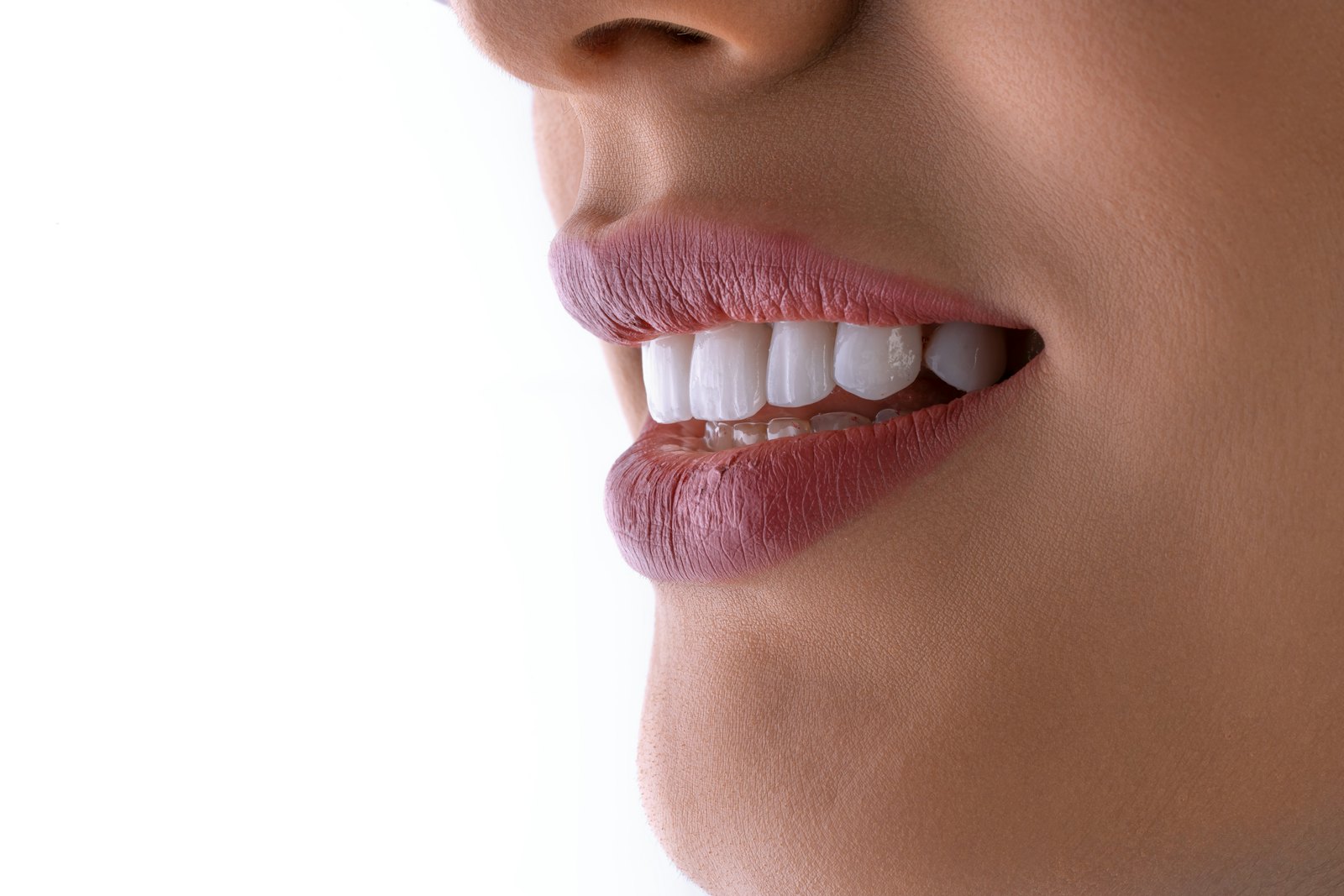
Of all the things that go wrong with teeth, a crack is the hardest to pin down. It rarely shows on an X-ray, because a crack running vertically through a tooth is invisible from the angle the image is taken. It often cannot be seen with the naked eye. And its symptoms are so unlike ordinary toothache that patients frequently spend months explaining them to someone before anyone works out what is happening.
The description that should raise suspicion is specific: a sharp jolt of pain when biting down on something, which arrives not as the teeth meet but as the pressure is released.
Why it feels that way
A hinge that opens and closes
A cracked tooth behaves like two segments connected along a fracture line. When you bite, the segments flex slightly apart. When you let go, they snap back together, and the movement pinches the living tissue inside. That rebound is what produces the jolt, which explains why the pain comes on release rather than on pressure, and why it is often triggered by a single piece of food at a single angle rather than by chewing generally.
Cold sensitivity frequently accompanies it, because the fracture line gives fluids a path toward the pulp. Many people learn without realizing it to chew around a particular spot, and the symptoms fade from awareness until something is eaten at exactly the wrong angle.
Where cracks come from
Years of force, or a single bad bite
Some cracks are sudden: biting unexpectedly on an olive stone, a popcorn kernel or a piece of bone. Most are cumulative. Teeth flex microscopically thousands of times a day, and anything that raises that load accelerates the process — night-time grinding, a bite that concentrates force on one tooth, large old fillings that leave thin walls of enamel unsupported.
Teeth that have had root canal treatment and no crown are particularly vulnerable, because they are more brittle and often already hollowed out. Back teeth take the heaviest load and crack the most.
Why timing matters
The difference between a crown and an extraction
A crack that stays within the crown of the tooth can usually be managed by covering the tooth so the segments can no longer flex — often with a crown, which stops the movement and the symptoms with it. If the crack reaches the pulp, root canal treatment is needed first, but the tooth is still saveable.
The outcome changes once a crack extends below the gum line into the root. At that point there is no reliable way to seal or stabilize it, bacteria have a permanent route in, and the tooth usually has to be removed. Nothing about the early symptoms predicts how far a crack will run, and nothing stops it progressing except taking the load off it.
This is the argument for reporting the odd, intermittent, hard-to-describe pain rather than waiting for something definite. A tooth that is caught while the crack is contained is usually kept. A tooth that finally breaks while eating is often not.
Quick answers
Questions about cracked teeth
What does a cracked tooth feel like?
+
The classic sign is a brief sharp pain when releasing a bite rather than when applying pressure, often triggered by a specific food at a specific angle, sometimes with cold sensitivity.
Why do cracked teeth not show on X-rays?
+
Most cracks run vertically through the tooth, in the same plane the X-ray beam travels, so there is no density difference for the image to capture. Diagnosis relies on symptoms, bite testing, magnification and dyes.
Can a cracked tooth be saved?
+
Usually, if the crack stays above the gum line. Covering the tooth with a crown prevents the segments flexing. A crack that extends into the root generally cannot be repaired.
What causes teeth to crack?
+
Large old fillings that leave thin enamel walls, night-time grinding, an uneven bite, previous root canal treatment without a crown, and biting unexpectedly on something hard.
Tooth pain? We can help today.
Same-day emergency appointments are available at the SouthPark office.
(704) 375-4252
Leave a Reply