 Charlotte
Root Canal Center
Blog
Knocked-Out Tooth: What to Do in the First 30 Minutes
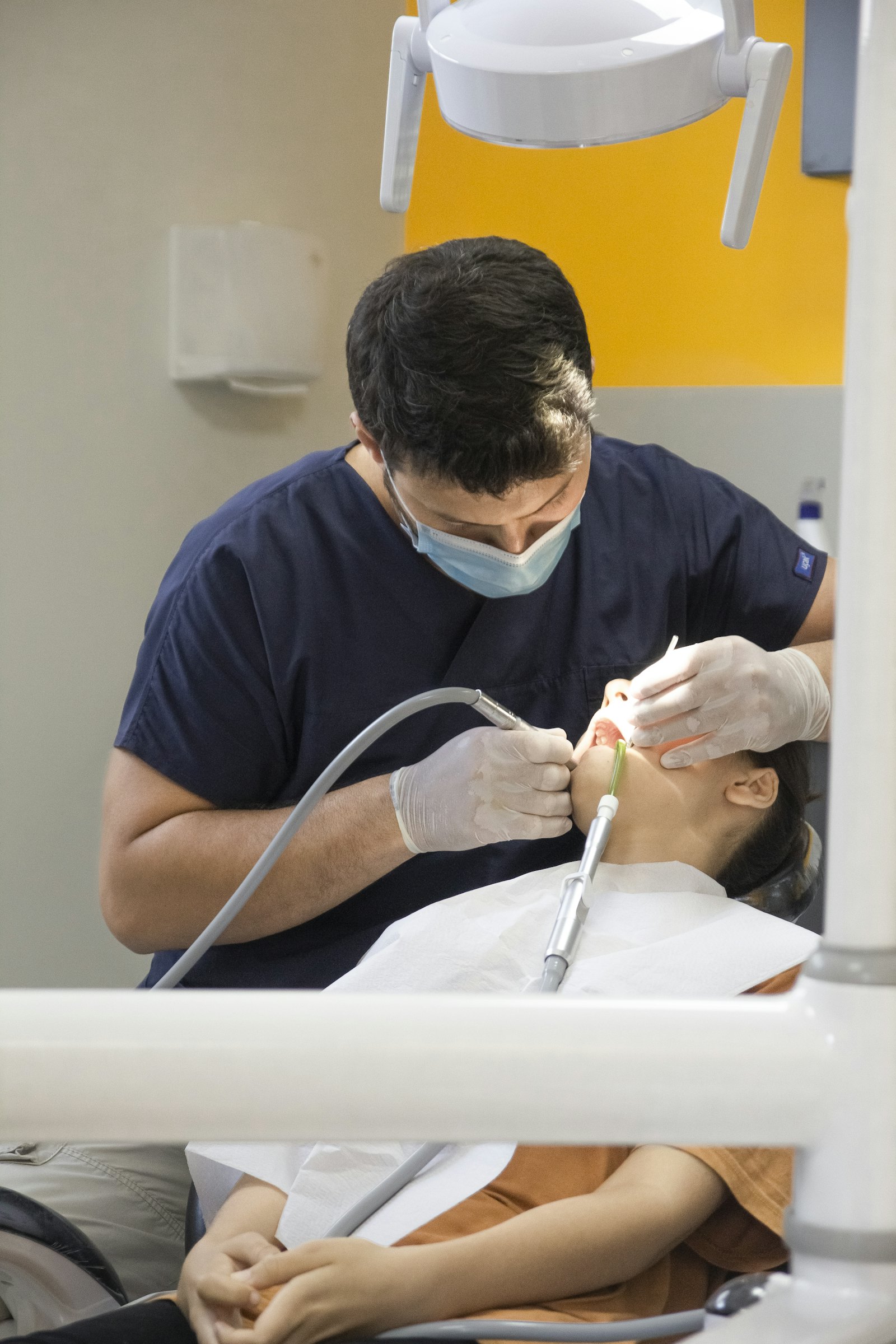
Pick the tooth up by the crown, never the root, rinse it gently in milk or saline if it is dirty, and put it straight back into the socket. If you cannot, keep it in milk and get to a dentist within 30 to 60 minutes. The first half hour matters more than anything that happens afterwards, because the living cells on the root surface begin to die as soon as the tooth dries out.
Step by step, right now
- Find the tooth and hold it by the crown. The crown is the white chewing part. The root carries the cells that let the tooth reattach, and handling or scrubbing destroys them.
- If it is dirty, rinse briefly. Use milk, saline or the patient’s own saliva. A few seconds under cold water is acceptable if nothing else is available. Never scrub, never use soap or disinfectant.
- Put it back in the socket if you can. Line it up with the neighboring teeth, press gently into place and bite softly on a clean cloth to hold it there.
- If you cannot reimplant it, keep it wet. Milk is the best everyday option. Saline works. An alert adult can hold it inside the cheek. Water is a last resort, and the tooth must never be allowed to dry.
- Call (704) 375-4252 immediately and say a tooth has been knocked out, so you are seen as an emergency.
Why speed decides the outcome
A tooth is held in its socket by the periodontal ligament, a thin layer of living cells on the root surface. When the tooth comes out, some of those cells stay attached to it. Kept moist and replaced quickly, they can reattach and the tooth survives.
Once the root dries, those cells die and the body begins to treat the root as foreign material. The tooth may still be splinted and kept for years, but the long-term outlook falls sharply. Thirty minutes is the target; beyond an hour of dry time the prognosis is poor.
What not to do
- Do not scrub the root or wipe it with a cloth.
- Do not store the tooth in tap water, which makes the cells swell and burst.
- Do not wrap it in a dry tissue. This is the most common mistake.
- Do not reimplant a baby tooth. Replacing a child’s primary tooth can damage the permanent tooth forming underneath; take the child to a dentist instead.
- Do not wait to see whether it settles. A replaced tooth needs splinting and follow-up endodontic care.
What happens at the appointment
Dr. Sunar checks the position of the tooth, takes digital X-rays to look for fractures of the root or socket, and splints the tooth to its neighbors so it is held still while the ligament heals. The splint usually stays for one to two weeks.
Most replaced adult teeth later need root canal treatment, because the blood supply to the pulp is cut when the tooth comes out. That is planned deliberately, usually within the first week or two, to prevent infection and root resorption.
Other injuries that need the same urgency
A tooth that is loose, pushed out of position or driven up into the gum needs same-day attention even though nothing has come out, and so does a fracture that exposes the pink or red pulp in the middle of the tooth.
Charlotte Root Canal Center keeps time for same-day emergencies and treats traumatic dental injuries, including reimplantation, stabilisation and the endodontic care that follows.
Quick answers
Knocked-out tooth questions
Can a knocked-out tooth be saved?
+
Often yes, if it is kept moist and put back quickly. The best outcomes come from reimplanting within 30 minutes. After about an hour of dry time the chances fall considerably.
What is the best liquid to store a knocked-out tooth in?
+
Milk is the best option most people have to hand. Saline or the patient’s own saliva also work. Plain water is a last resort because it damages the cells on the root surface.
Should I put a child’s baby tooth back in?
+
No. Reimplanting a primary tooth can damage the permanent tooth developing beneath it. Keep the child calm, control bleeding with gentle pressure and see a dentist.
Does a reimplanted tooth need a root canal?
+
Usually yes. The blood supply to the pulp is severed when the tooth is knocked out, so root canal treatment is normally carried out within the first week or two to prevent infection and root resorption.
What if the tooth is only loose or pushed out of place?
+
That still needs same-day care. A displaced or loosened tooth is repositioned and splinted, and the pulp is then monitored or treated depending on the injury.
Tooth pain? We can help today.
Same-day emergency appointments are available at the SouthPark office.
(704) 375-4252
Leave a Reply