 Charlotte
Root Canal Center
Blog
When a Root Canal Needs Retreatment or an Apicoectomy
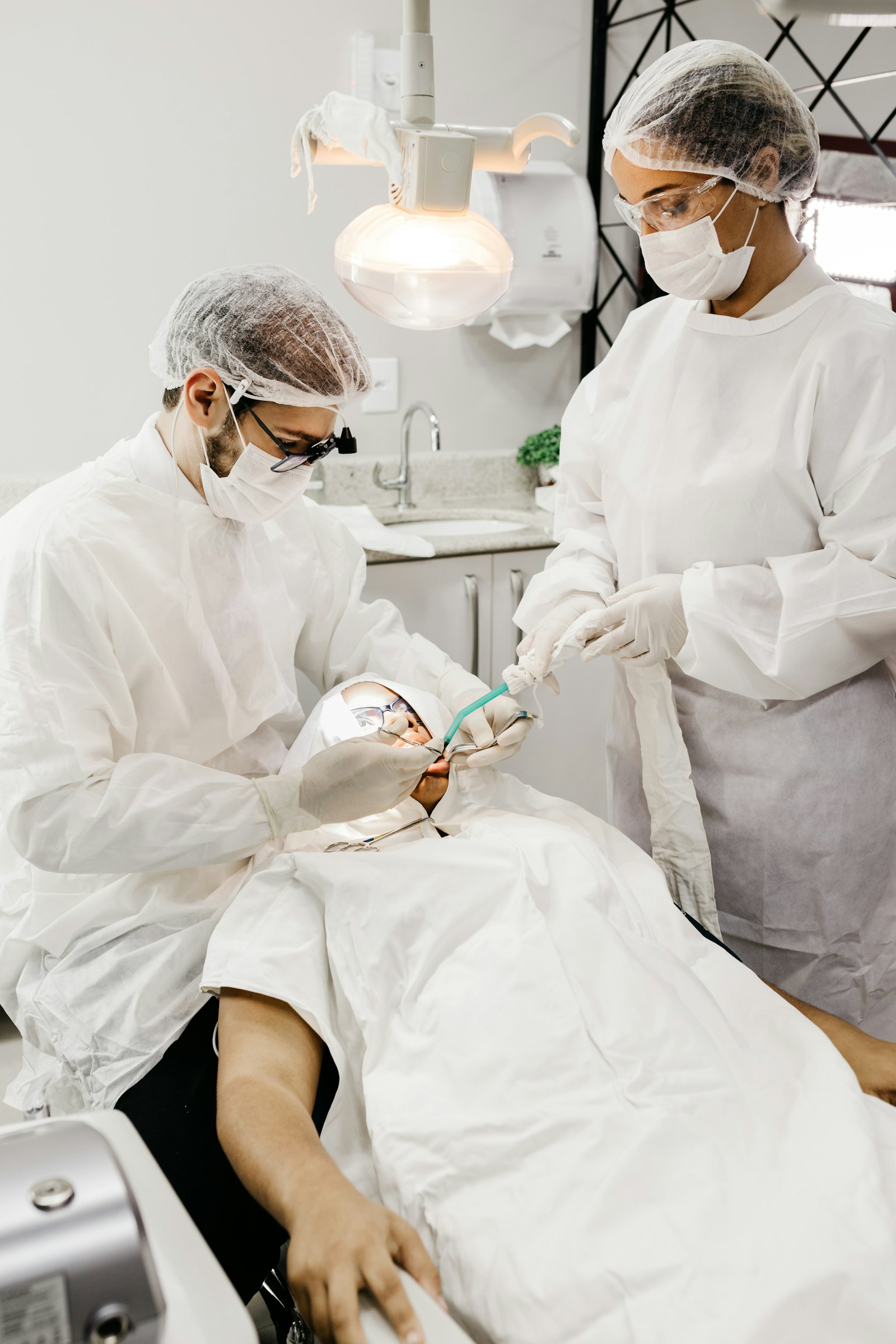
If a root-treated tooth hurts, swells or shows infection on an X-ray months or years later, the tooth can usually still be saved, either by retreating the root canal or by an apicoectomy. Retreatment reopens the tooth and cleans the canal system again. An apicoectomy removes the tip of the root and the infected tissue around it through a small opening in the gum. Extraction is the last option, not the first.
Why a treated tooth can become infected again
Root canal systems are not simple tubes. They branch, curve and sometimes contain extra canals that are difficult to find. If a small canal was not located, if the seal has leaked, or if a new cavity has let bacteria back in beneath a crown, infection can re-establish itself at the root tip.
A delayed permanent restoration is a common cause. A tooth left in a temporary filling for months allows bacteria to seep back in past the seal, which is why the final crown is treated as part of the treatment rather than an afterthought.
Signs to watch for
Pain on biting that comes back after a period of comfort, tenderness in the gum above the tooth, a small pimple on the gum that drains and refills, swelling of the gum or face, or a tooth that darkens further. Some re-infections cause no symptoms at all and are first spotted on a routine X-ray as a dark area at the root tip.
None of these mean the tooth is lost. They mean it needs assessment.
Retreatment: the usual first step
Retreatment reopens the tooth, removes the existing root filling material, and allows the canal system to be examined under magnification. Extra canals are located, the system is cleaned and disinfected again, and the tooth is resealed.
This is the preferred option where the problem is inside the canal system, which is most cases. It is carried out under local anesthetic, much like the original treatment, and is usually completed in one or two visits.
Apicoectomy: when surgery is the better route
An apicoectomy is endodontic microsurgery. A small opening is made in the gum beside the root, the infected tissue is removed along with the tip of the root itself, and a small filling is placed to seal the end of the canal from the outside.
It is chosen when retreatment is not practical or has already failed: when a post and crown cannot be removed without damaging the tooth, when a canal is blocked or sharply curved, or when infection persists despite a technically sound root filling. The procedure is done under local anesthesia and with a dental operating microscope for precision.
How the decision is made
It comes down to where the problem is. Infection originating inside the canal system is treated from inside; infection that cannot be reached that way is treated from outside. Dr. Sunar reviews the existing treatment on digital X-rays, examines the tooth and explains which applies, including the realistic chance of success for your tooth specifically.
Both routes are considerably cheaper than removing the tooth and replacing it with an implant or a bridge, and both keep your own tooth, which no replacement fully matches. Endodontic assessment is available at the SouthPark office, and a referral is not required.
Quick answers
Retreatment questions
Can a root canal be redone?
+
Yes. Retreatment reopens the tooth, removes the old root filling, cleans and disinfects the canal system again under magnification and reseals it. It is usually completed in one or two visits under local anesthetic.
What is an apicoectomy?
+
Endodontic microsurgery in which the tip of the tooth root and the infected tissue around it are removed through a small opening in the gum, and the end of the canal is sealed with a small filling.
Why did my root canal fail?
+
Common reasons are an extra canal that was not located, a leaking seal, new decay beneath a crown, or a delayed permanent restoration that let bacteria back in. A crack in the root can also be responsible.
Is retreatment or an apicoectomy more painful than the first root canal?
+
Both are done under local anesthesia and most patients report discomfort similar to the original treatment. Soreness for a few days afterwards is normal, particularly after surgery.
Should I just have the tooth taken out instead?
+
Extraction is the last option. Saving the natural tooth preserves the bone and the bite, and both retreatment and apicoectomy cost less than removing the tooth and replacing it with an implant or bridge.
Tooth pain? We can help today.
Same-day emergency appointments are available at the SouthPark office.
(704) 375-4252
Leave a Reply